
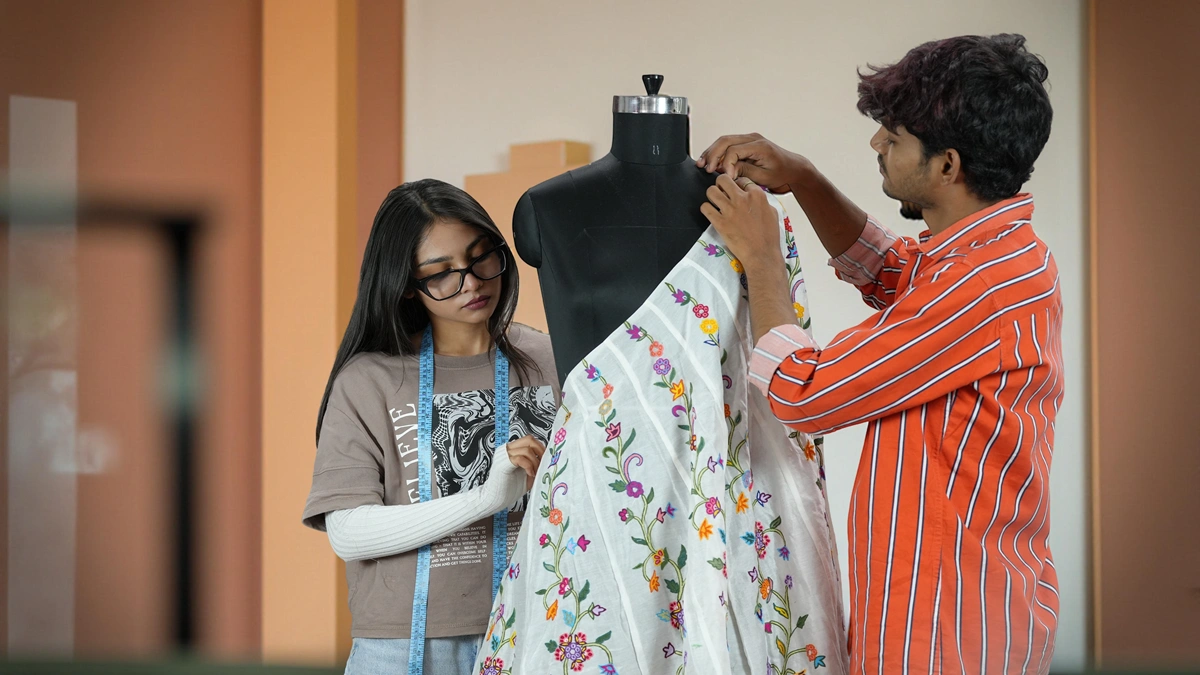
Diploma in Fashion Designing – Learn Styling, Draping, Sketching & Trend Analysis
Fashion is much more than glamorous outfits and runway shows. It is a powerful form of communication, a reflection of culture, and a fast-evolving global industry. If you are someone who notices silhouettes, colours, fabrics, and trends everywhere you go, a Diploma in Fashion Design can be the perfect starting point for your creative journey.
This diploma program is designed to transform an individual’s creativity into professional skills. It focuses on the foundation of fashion design. The core pillars of fashion designing are styling, draping, sketching and trend analysis. While giving students hands-on exposure to the real fashion world is also the major focus of this course.
What Is a Diploma in Fashion Designing?
A Diploma in Fashion Design is a course for fashion enthusiasts. It is a skill-oriented professional course. This program includes fundamentals of fashion design and garment creation. Unlike other theoretical programs, this diploma course is mostly about practical learning and studio work.
The course duration usually ranges from 1 to 2 years, depending on the institute and curriculum structure.
Go for it if:
- You are passionate about fashion and love creativity.
- You always wanted to be designer, stylist or a fashion entrepreneurs.
- You want quick industry-ready skills to step into fashion world.
What You Learn in a Diploma in Fashion Design
1. Fashion Styling – Creating the Complete Look
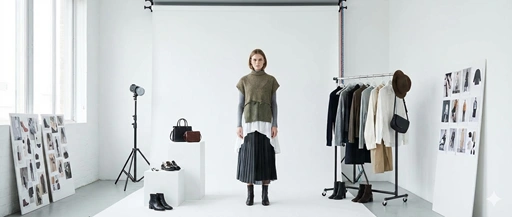
Fashion styling is about letting the clothing do the talkings! In this program, students learn how to create visually appealing looks with garments, accessories, footwear, makeup, and hair.
This course will give you skills like:
- Personal styling.
- Editorial styling.
- Styling for photoshoots.
- Styling for fashion shows and events.
- Styling for different types / personalities accordingly.
- Colour coordination.
- Accessorising techniques etc.
Your styling skills can land you in a career of fashion media, celebrity styling, e-commerce, and brand campaigns and so on.
2. Draping and Sculpting Fabric into Design
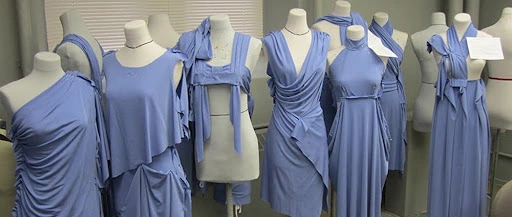
Draping is one of the most creative aspects of fashion designing that goes underrated. Drawing comes later, first designers work directly with fabric on a mannequin to create silhouettes and designs.
This draping exercise lets students learn about:
- Fabric behaviour.
- How different fabrics fall.
- Creating shapes and folds.
- How ideas work in the three-dimensional world.
- Developing innovative garment structures.
This skill is highly important for couture, bridal wear and high end fashion design.
3. Sketching – Turning Ideas into Visuals
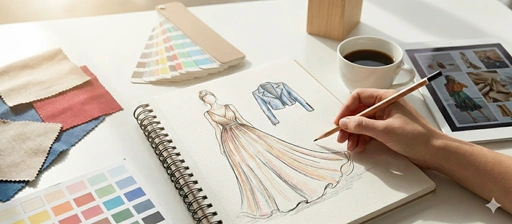
Fashion sketching is the designer’s language to communicate creativity. Sketching is the way to give your idea a physical identity.
Learning Sketching includes:
- Manual sketching.
- Basic digital illustration.
- Giving imagination a physical outline.
- Designing as per human figure proportions.
- Advanced fashion illustration.
- Garment detailing.
- Learning about textures and prints.
Strong sketching skills allow designers to present their concepts and visualisation confidently and professionally.
4. Trend Analysis – What’s Next
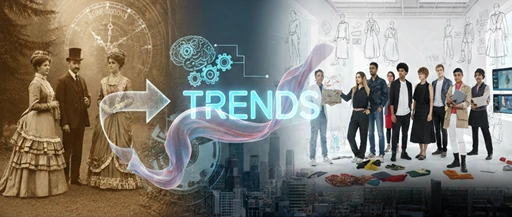
Like all nature, change is the law of Fashion too! It changes with generations and time. Fashion is driven by trends. But a successful designer is not the one who follows them, in fact talented designers are the ones who predict and invent them.
Trend analysis help students learn about:
- How trends are originated and evolved.
- Colours, fabrics, silhouettes, lifestyles and more.
- Creating mood boards.
- Predicting trend forecasts.
- Analysing global fashion markets.
- Understanding consumer behaviour.
This subject keeps students future-ready in this competitive industry.
Additional Subjects Covered in the Diploma
Along with the core skills, the diploma program also includes:
- Studying science of Fabrics.
- Textile studies.
- Pattern making.
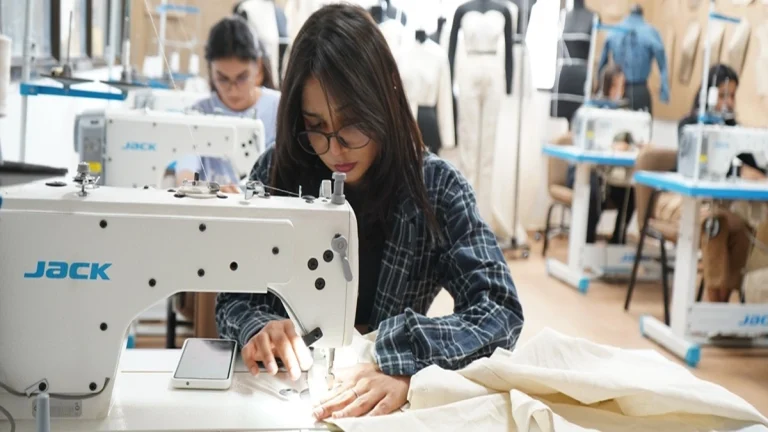
- Garment construction.
- Surface ornamentation.
- Embroidery basics.
- Fashion history.
- Design fundamentals.
- Portfolio development.
- Presentation skills.
These subjects give students a well-rounded understanding of fashion design.
Career Opportunities After Diploma in Fashion Designing.
A Diploma in Fashion Design prepares students for a wide range of creative roles, such as:
- Costume Designer.
- Fashion Designer.
- Fashion Stylist.
- Fashion Illustrator.
- Apparel Designer.
- Boutique Owner / Fashion Entrepreneur.
- Fashion Consultant.
- Visual Merchandiser.
Graduates with a longer vision also choose to pursue advanced degree programs. Some also specialise further in areas like luxury fashion, sustainable fashion, or fashion marketing.
Also Read: Top Diploma in Graphic Design Colleges in Ahmedabad
Why Choose a Diploma in Fashion Design?
Diploma in Fashion Design offers a creative career for creative souls. It opens the doors of the glamour industry for you. You get:
- Both creativity and technical skills.
- Industry-focused curriculum.
- Practical training and real-world exposure.
- Faster entry into the fashion industry.
- Strong foundation to get into this industry.
- Start-ups and entrepreneurship ready skill set.
This diploma in fashion design program is about developing a designer’s way of thinking.
Final Thoughts
Design Institute in Ahmedabad is for those who love to talk about fashion, observe trends, and experiment with looks. This course is your first step towards a career in the fashion industry. All you need is to master the core pillar skills like styling, draping, sketching, and trend analysis. This makes you ready with creative confidence and technical expertise.
Does fashion excite you? Does creativity define you? Are you bold enough to set the new fashion standards and experiment? Then consider this diploma to turn your passion into a profession, one design at a time!